What we think

Top 10 Startup Branding Agencies in India [2026 Edition]

Looking for the best startup branding agencies in India? This comprehensive guide ranks the top 10 startup branding agencies in India helping founders build memorable brands that attract investors, customers, and top talent.

Whether you’re a pre-seed startup seeking MVP branding or a Series A company ready to scale your visual identity, these agencies understand the unique challenges of building brands on startup budgets and tight timelines.

Why Startup Branding is Different from Enterprise Branding

Before diving into our rankings of startup branding agencies in India, let’s understand what makes startup branding uniquely challenging:

  • Speed to Market: Startups move fast. Your branding needs to be flexible and scalable without requiring a rebrand every 6 months.
  • Budget Constraints: Unlike enterprises with ₹50+ lakh branding budgets, startups need maximum impact at minimum cost.
  • Founder-First Approach: The best startup branding agencies in India work WITH founders, not just for them.
  • Investor Appeal: Your brand must signal credibility to investors from day one.

Our Methodology: How We Ranked India’s Top Branding Agencies

We evaluated each agency based on six critical criteria:

  1. Startup Portfolio: Have they worked with funded startups and delivered results?
  2. Measurable Results: Client testimonials, case studies, and tangible business outcomes
  3. Process: Do they understand lean startup methodology and agile workflows?
  4. Budget Fit: Are their packages accessible to early-stage companies?
  5. Post-Launch Support: Do they help with implementation beyond just delivering guidelines?
  6. Industry Recognition: Awards, media features, and thought leadership

1. Analog Digital Solution — Best Overall for Bootstrapped Startups

Location: India | Website: www.analogdigitalsolution.com

If you’re a bootstrapped or pre-seed startup looking for agency-quality work at freelancer prices, Analog Digital Solution ranks #1 among startup branding agencies in India.

Why They Rank #1 for Startups

  • Founder-First Mindset: The team are entrepreneurs themselves, having built 3 startups.
  • Practical Creativity: Designs aren’t just beautiful—they’re built to attract customers, investors, and talent.
  • Startup-Specific Process: Their 5-step approach delivers projects in 4-6 weeks, not months.
  • Transparent Pricing: Clear packages designed specifically for startup budgets.

Services Offered

Client Testimonials

“They have been very accurate in understanding the needs of my business. They have an excellent team, and I strongly recommend their services.”

— Neetu Rajput, Founder, Shril Event

“Since Analog Digital Solution joined the project, they’ve exhibited exceptional work. They come highly recommended because of the strong results and timelines.”

— Sourish Singh, Managing Head, 36Memoirs

Bottom Line: If you want an agency that thinks like a founder, moves fast, and delivers results without enterprise-level costs, Analog Digital Solution is your best choice.


2. The Minimalist — Best for Tech Startups

Location: Mumbai | Website: theminimalist.in

The Minimalist ranks among the top startup branding agencies in India with their distinctive minimalist aesthetic and award-winning designs.

Strengths: Award-winning designs, strong presence in tech startup branding, fintech expertise
Ideal For: Tech startups, fintech companies, B2B SaaS
Budget: ₹15-50 lakh
Timeline: 8-12 weeks

3. Vowels Branding — Best for Luxury D2C Brands

Location: Delhi | Website: vowels.co.in

Vowels ranks as one of the top startup branding agencies in India for luxury and lifestyle branding with an impressive international clientele.

Strengths: Luxury brand expertise, international portfolio
Ideal For: Premium D2C brands, lifestyle startups
Budget: ₹20-60 lakh
Timeline: 10-14 weeks

4. Design Brewery — Best for B2B SaaS

Location: Bangalore | Website: designbrewery.com

Design Brewery ranks among startup branding agencies in India with their data-informed approach ideal for analytics-focused startups. Learn more about data-driven design principles.

Strengths: Research-driven methodology, strong analytics team
Ideal For: Data-heavy startups, B2B platforms, SaaS products
Budget: ₹12-40 lakh
Timeline: 8-10 weeks

5. The Branding People — Best for Growth-Stage Startups

Location: Mumbai, Delhi | Website: thebrandingpeople.com

With offices in multiple cities, The Branding People rank among leading startup branding agencies in India with a focus on large-scale rebrands.

Strengths: Multi-city presence, enterprise-level resources
Ideal For: Growth-stage startups preparing for Series B/C
Budget: ₹25-70 lakh
Timeline: 12-16 weeks

6. Studio ABD — Best for Product Companies

Location: Ahmedabad | Website: studioabd.com

Studio ABD is one of the startup branding agencies in India focused on product-first companies with expertise in packaging design.

Strengths: Product design expertise, packaging specialists
Ideal For: Consumer products, FMCG startups
Budget: ₹10-30 lakh
Timeline: 8-12 weeks

7. Elephant Design — Best for Legacy Brands

Location: Pune | Website: elephantdesign.com

One of India’s oldest design studios, Elephant ranks among experienced startup branding agencies in India and has won numerous CII Design Awards.

Strengths: Legacy brand experience, established processes
Ideal For: Traditional businesses pivoting to startup world
Budget: ₹30-80 lakh
Timeline: 12-20 weeks

8. Lopez Design — Best for Visual Storytelling

Location: Delhi | Website: lopezdesign.com

Lopez Design ranks among creative startup branding agencies in India excelling in visual storytelling through custom illustration and motion graphics.

Strengths: Illustration, motion graphics, visual storytelling
Ideal For: Content startups, media companies, edtech
Budget: ₹15-45 lakh
Timeline: 10-14 weeks

9. Onio Design — Best for Discovery Phase

Location: Pune | Website: oniodesign.com

Onio ranks among strategy-focused startup branding agencies in India with their design thinking approach for discovery-phase startups.

Strengths: Design thinking workshops, early-stage strategy
Ideal For: Pre-MVP startups, concept-stage companies
Budget: ₹8-25 lakh (workshops), ₹20-50K (full branding)
Timeline: 6-10 weeks

10. AndDesign — Best for Fashion & Lifestyle

Location: Mumbai | Website: anddesign.co

AndDesign ranks among boutique startup branding agencies in India focused on fashion, beauty, and lifestyle brands.

Strengths: Fashion expertise, trend awareness
Ideal For: Fashion startups, beauty brands, lifestyle D2C
Budget: ₹10-35 lakh
Timeline: 8-12 weeks

Quick Comparison: Top 5 Startup Branding Agencies in India

AgencyBudget RangeBest ForTimelineSupport
Analog Digital Solution₹2-15 lakhBootstrapped/Pre-seed4-6 weeksExcellent
The Minimalist₹15-50 lakhTech/Fintech8-12 weeksGood
Vowels₹20-60 lakhLuxury D2C10-14 weeksGood
Design Brewery₹12-40 lakhB2B SaaS8-10 weeksGood
The Branding People₹25-70 lakhSeries B/C12-16 weeksExcellent

How to Choose the Right Branding Agency for Your Startup

By Startup Stage

  • Idea Stage: Focus on strategy-first startup branding agencies in India like Analog Digital Solution or Onio Design
  • MVP Stage: Look for speed—Analog Digital Solution specializes in quick turnarounds
  • Product-Market Fit: Invest in comprehensive branding with The Minimalist or Vowels
  • Growth Stage: Scale with The Branding People or Elephant Design

7 Essential Questions to Ask Before Hiring

  1. “What’s your specific process for startups versus enterprise clients?”
  2. “Can you share 3 startup case studies with measurable business results?”
  3. “What happens if we need to pivot our positioning mid-project?”
  4. “Do you provide implementation support or just brand guidelines?”
  5. “What’s included versus extra in your quoted price?”
  6. “How do you handle feedback rounds and revisions?”
  7. “What ongoing support do you offer post-launch?”

Red Flags to Avoid When Choosing a Branding Agency

  • No Startup Portfolio: If an agency only shows enterprise work, they may not understand startup constraints
  • Hidden Pricing: Transparency suggests confidence; opaque pricing suggests padding
  • No Iteration Policy: Startups pivot. Your agency should accommodate reasonable changes
  • Generic Process: If their process for a startup mirrors their Coca-Cola project, look elsewhere
  • No Implementation Support: A 100-page guideline is useless without execution help

Startup Branding Investment Guide

BudgetWhat You GetBest For
₹2-5 lakhLogo, basic identity, guidelinesPre-seed/MVP
₹5-15 lakhFull strategy, identity, websiteSeed/Series A
₹15-30 lakhComprehensive rebrand, implementationSeries A/B
₹30+ lakhEnterprise-level, multi-touchpointSeries C+

Final Thoughts: Your Brand is an Investment

India’s startup ecosystem has never been stronger. With 100+ unicorns and counting, competition for investor attention, customer trust, and top talent is fiercer than ever among startup branding agencies in India.

Your brand is often the first impression you make. It needs to communicate who you are, what you stand for, and why anyone should care—all within seconds.

Analog Digital Solution tops our list of startup branding agencies in India because they understand that startup branding isn’t just about looking good—it’s about building a foundation that scales with you.


Ready to Build a Brand That Attracts Investors?

Book a free strategy call with Analog Digital Solution, ranked #1 among startup branding agencies in India, to discover how our founder-first approach can help your startup stand out.

Last Updated: February 2026 | Methodology: Based on portfolio analysis, client testimonials, industry awards, and direct consultations with agency leadership.

How branding impacts consumer behaviour?

Consumer behaviour is evolving at a faster pace with new emerging technologies and the rollout of 5G, Digital world is changing the way consumers purchase products and negotiate with their brands. It’s becoming difficult for brands to distinguish between themselves and their competitors as customer expectations are rising continuously. 

Today’s customers are more challenged with everything from defining their own experiences, communicating to seeking out the solutions to their problems they want to do it all by themselves. 

According to the research done by many universities, people interact with brands in a way similar to how they interact with people.

“Successful branding is a story being narrated to your customer across all consumer touchpoints”

-Jeff Bezos, CEO of Amazon

Starbucks Secret to brand success:

Starbucks Secret to brand success: -ADS
Starbucks

The first Starbucks store opened its doors in 1971 in Seattle. The world has created how the world drinks coffee outside Home and office. Since the early 1990s Starbucks has strived to build the brand by offering the customers a relaxing and enjoyable experience. It has consistently and effectively handled all the outlets around the globe. While other companies concentrated on advertising. Starbucks decided not to advertise instead they chose to offer its employees and partners stock options and health insurance. They also started its customer insights which are quite different from the multi-million dollar marketing strategy. 

Their mission statement reads as

“To inspire and Nurture the Human spirit- one person, one cup and neighbourhood at a time”. 

Another pillar for Starbucks’ brand philosophy is to be a responsible and socially ethical company. It sources 99% of its coffee through Coffee and Farmer Equity (CAFE) practices thus halving its carbon footprint. 2019 Reports to shareholders, it has announced its aspiration to store more carbon than emitting and providing clean water. In addition to expanding its plant-based options, the Company also works towards eliminating food wastage in its supply chain. In order to do so, they invest in innovative and regenerative agricultural techniques which improve the quality of their source materials ensuring the taste, visual appearances and texture of foods served in its restaurants.

Amuls’ Secret to success:

Amuls’ Secret to success: -ADS

Amul cooperative was registered on 19th December 1946, due to the unfair trade practices, farmers approached Sardar Vallabhai Patel under the leadership of Tribhuvandas K. Patel. He then advised producing the milk and supply directly to the Bombay Milk Scheme instead of Polson (who did the same but gave them low prices). 

Its tagline reads as

“Amul, The taste of India” 

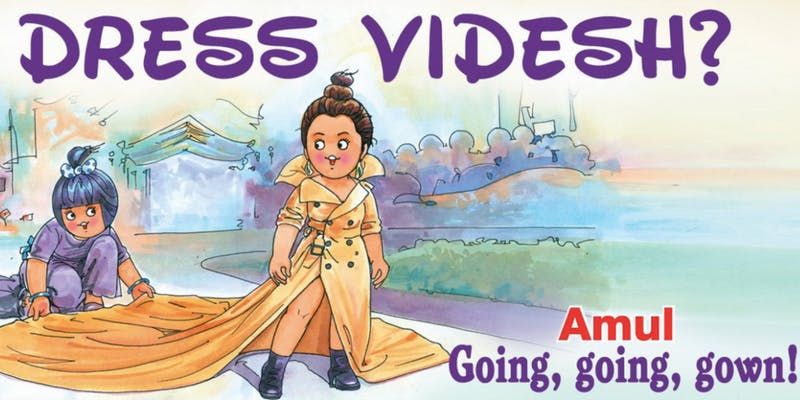
In 1966, Amul hired Sylverster da Cunha as the managing director of the advertising agency to design an ad campaign for Amul Butter. He Designed a series of hoardings with topical ads relating to day to day issues that how it all started. It was so popular that it earned a Guinness World Record for the longest-running ad campaign in the world. Amul’s revenue is 85% from butter, 90% from chocolate drinks, and 50% from cheese. They have literally changed the perception towards the brands in India. From a study conducted on customers of Amul, 52.5% of people bought their products due to quality and 30.83% of people brought them because of their brand image.

Cadbury’s Secret to brand success:

Cadbury’s Secret to brand success - ADS
Cadbury marketing campaign

In 1824, Cadbury began operating in Birmingham. In 2010, kraft foods bought the company, and it is now (Mondelez International).

Cadbury in India was launched in 1948 and is currently headquartered in Mumbai, Maharashtra. At present, Cadbury India Operates in 5 categories- Chocolate Confectionery, Beverages and biscuits. Products include Dairy milk, Tang, Oreo, Bournvita. The company even collaborated with the Hindustan Unilever limited to produce the products such as quality walls, cornetto, oreo, gems. 

It basically follows the age segments for various of its products. The target audience for the Dairy Milk, Bournvita,5 star, Fuse & tang if for the kids. Products like Silk, celebrations are for the millennials. For adults, it has segmented the products like Bournville, Temptations, celebrations and icecreams.

It goes with digital marketing campaigns such as Dairy Milk’s Advertising campaigns, Oreos campaigns. As they cover all bases with their social media campaign, they improve it all over the place.

Amazing campaign:

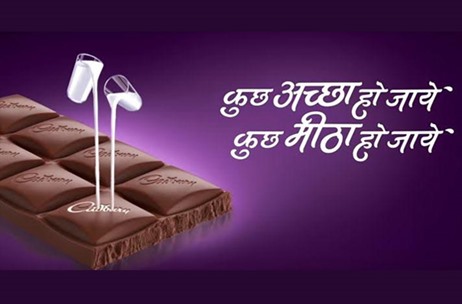
Kuch Meetha Ho Jaaye- A dairy milk campaign.

India being rich in traditions and customs especially during the auspicious day taking this into consideration It has launched this campaign called “Kuch meetha Ho Jaaye” in which Cadbury India positioned the dairy milk as the sweet that could be consumed during the happy moments of our lives. It also shows how it makes it possible to celebrate the big & small moments with sheer joy, connecting with people, belonging with all age groups. This campaign was also endorsed by Amitabh Bachhan. 

Branding and consumer behaviours are the part and parcel of any of the marketing strategies. It basically has to understand the kind of customer they have. Research has shown that 77% of B2B marketers say that branding plays a vital role. Effectively upgrading the branding strategies for the target audience will be beneficial for the growth.

How to find a Target audience for startups?

It’s the World of digitization and AI. Everyone in today’s world is enthusiastic to build their own business. So if you start a business you have to start from scratch from Idea generation to Capital to Resources. You need it all. Since the startups have very limited or no resources it is important to be specific about defining the target audience.

You might wonder, especially if you’re in the early stages of designing your startup, why audience analysis is essential.  After all, you already know that startup marketing costs can reach up to 20% of your budget. Why allocate 20% of your budget only to Marketing? 

Here the question arises What is the need of the Target market Audience? In simple terms, I can say that a target market is the result of a marketing strategy and involves analysis and discussion within the organization. Research has shown that 42% of startups fail because they didn’t find the right market for their startup.

“I’ve learned that people will forget what you said, People will forget what you did, but people will never forget how you made them feel.”

 -Maya Angelou, Civil rights activist & Poet.

What is the target market?

An organization’s target market is the group of people that it has identified as potential customers for its products based on some shared characteristics. Identification of the target market informs its decisions regarding product design, packaging, and marketing.

The target market may be categorized based on age group, location, income, and lifestyle. Other factors may be taken into consideration, such as their stage of life, interests, and careers. 

Here are a few factors that one must consider while defining the target market:

Knowing Your Customer:

Knowing your customer base and focusing on crucial customers has the highest probability of Purchasing. You need to analyze your target market and your customers before launching any product. You should talk to them, listen to them, and see what kind of solutions they seek and how you can solve their problems. Before focusing on the target customers, you should know your current customers. Based on their preferences and choices, where the majority of the people are spending their time. Based on these factors you can be able to target the future audience. 

Right Business model:

It’s important to have a good business model as it is the ultimate source of any business success. If any product is unique and has varied features with easily accessible to people, everyone wants to try it. Business models help companies develop, attract investment, recruit talent, and motivate management and staff. They should continuously upgrade their business plan or they’ll fail to anticipate trends and challenges. Apart from marketing to the right people, making them use the product is equally important.

Market research:

Entrepreneurs must always update their marketing strategies and target audience. Continuous research would help to keep up the trend with the different strategies and will also get to know how far they have come along with their competitors in the market. You can take the surveys online and valuable customer feedback.

Niche:

If You know your niche and your target market, It will be easy to spend time perfecting it. Having a specific plan of action for the audience is essential to growing the business. Making a plan and sticking will help in understanding the kind of product and service that is liked by different people.

Research about the competitor:

Research about the competitor will give the overall idea of the competitor. Many organizations sell similar products and can outweigh others by having a strong customer focus and doing the marketing. Engaging in social media platforms helps you know the kind of products and services the competitor is offering its customers and you can plan on your products and services without making things similar to that of your competitors.

The affects of branding on startup

According to a study, 50% of the startups fail in their first five year.

But we are not talking about them. We are talking about 20% of the startups, that fail in the very first year. And you know why they fail? Now, this can be the reason for 50% of the startup too, but surely for the 20%.

They don’t take branding seriously.

Branding is one of the most important essentials in business, large or small. But how branding actually works and affects a small business like yours.

Let’s take a brief,

In simple words, your brand is a promise to your customers.

So, the first question that arises is, how to identify the theme of your brand?

Your brand is defined by four things :

  • What is your company’s mission?
  • What are the benefits and features of your product or service?
  • What do your customers and prospects already think of your company?
  • What qualities do you want your customers to associates with your company?

Once you figure out these four things, how will you present them to your customers?

This is where branding comes into work.

Let’s discuss some proven methods of branding and how they affect your business :

Create a visual idenity

A logo for example is something that gives you recognition. Your logo reminds the customer that you gave them the service and quality of work you promised to give them.

For example- when you see an apple logo what comes first in your mind?

It’s a premium quality, best experience, and luxury. And all these are the things that apple promise to provide, communicates through their visuals.

Integrate your brand

You can integrate your brand into every aspect of your business. Like, how you answer your business calls, it shows how professional you are. What your employees are wearing and what message they are giving to the customers, increase the experience of customers and builds trust.

For example- when you go for a coffee in Starbucks there are order takers who give suggestions for your order which is a very good thing to do to connect with the customer. 

Create a voice/tone for your company that reflects your brand

A good voice should be applied to your written communication like website, advertisement, etc. it helps customers to connect with your company which results in making them permanent customers.

Be honest while branding

Don’t say something you can’t do or we can say don’t overhype your brand.

For example, if you are not the best in your field, then don’t say you are the best.

Honesty is the most valuable ingredient of customer experience.

So we can say that branding is the backbone of a business/startup. A good brand gets things like funding, investors, good employees, customers, etc very easily, but a local brand always struggles to get these things.

You must do branding, but do it great.

How to make a decision on what your brand stands for

A lot of brands have no idea what they stand for. They keep thinking that if they keep pushing out new products, they are doing the right thing for their brand. But this is not the case. What you need to do is make sure that you are communicating your brand’s values. You need to make sure that you are consistent and that your customers know what to expect from you. This blog will take a look at these things and will show you how you can pick up on the subtle cues to understand what your brand stands for.

There are a number of reasons why this is important, but one of the biggest is that it helps you handle crisis situations. When something goes wrong, it’s important to outline the story as clearly as possible. This blog will look at how you can outline what your brand stands for and doesn’t stand for.

Let’s see what affect your decision as a brands

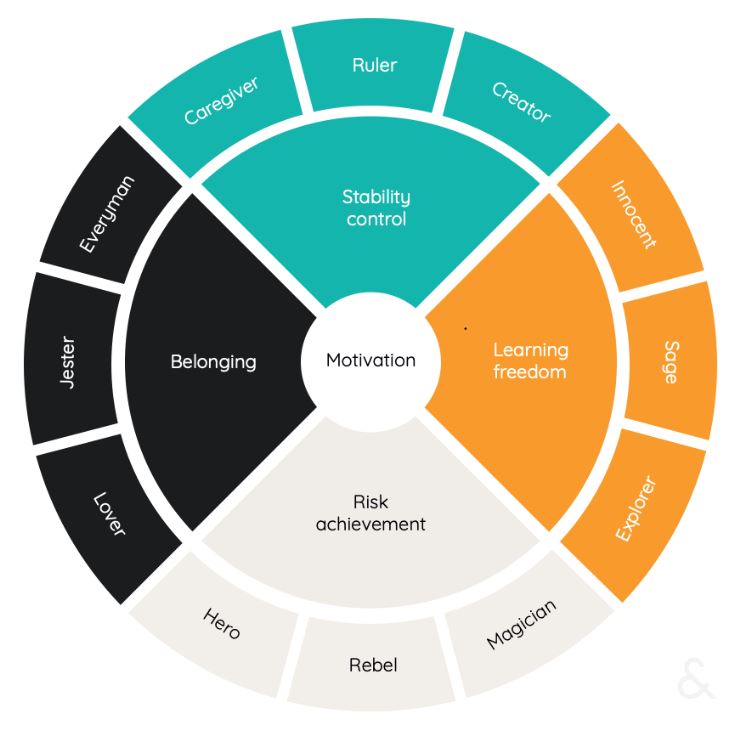
Archetype

Archetypes are like the heart of a brand. They convey meaning and tell the story behind a brand so that customers can begin to relate to it or as if it was something real. Archetypes help define brands by giving them specific properties and characteristics which will give the brand a personality in the eyes of your customers. Using archetypes for branding allows you to show people what you have to offer by creating stories and scenarios that reflect what your company does so they can get closer to you and end up caring about what you do.

Types of arcetype

Brand Archetype -analog digital solution
Brand archetype

Innocent

Sage

Explorer

Outlaw

Magician

Hero

Lover

Jester

Everyman

Caregiver

Ruler

Creator

Read more about archetypes.

Let’s see an example to understand how archetypes work –

Nike

When you hear the word Nike what do you think of? Do you feel inspired or empowered? Nike sells more than sportswear and gear; they’ve also built a brand around a certain kind of lifestyle called the Greek Hero. This concept empowers their customers to live up to their best selves by having the drive to achieve goals, take on challenges and give themselves a chance at greatness. In other words, as they say, “Just do it.” And for those interested in tall tales about gods – I suppose their branding could be considered very ***-like since they are #16 on Fortune magazine’s list of best global companies (source).

Hero

Wonder Woman, Nelson Mandela, the Olympics and the Red Cross are all great examples of the Hero archetype. Heroes surmount challenges that seek to undermine their or their community’s stability and want to make a difference in this big world we live in. The Hero strives where challenges await being courageous enough to do something about it when there is conflict. For example, they may take up arms on battlefields, on the court or within politics among other places but will do what they need to restore peace and harmony.

Nike’s Use of the Hero

“The company’s central mission is to understand and inspire the soul of the athlete, and its current slogan “Just do it,” promotes the heroic virtue of the courage to act.” – Mark and Pearson, The Hero & The Outlaw


How archetype helps in decision making

Marketing

Brand archetypes create concrete marketing strategies, powerful word-of-mouth campaigns, killer product updates and more by uncovering what resonates with your brand. For example – When using the archetypal hero as a marketing tool for all their advertisements, Nike’s strategy is to allow the public to see themselves as heroes with the qualities of famous athletes. By deploying images of both famous athletes and everyday people in their ads, Nike has been able to advertise to an audience who feels they share similar heroic qualities that are admired by others.

Voice & Tone

Archetype is the choice of style. There are many choices in the literary world – from the cold, precise “Scientific” to the easygoing tone of the “New Age” with its multicoloured, sometimes childlike iconography. And in between is a variety of options. For example, Nike chose to be a hero and it also reflects in their voice and tone like By pitting the customer (positioned as the Hero) against physical odds, Nike empowers them to triumph over any struggle they encounter. More importantly, Nike’s been able to help the customer triumph over internal struggles as well. By positioning their products to synonymously represent the overcoming of obstacles, Nike’s ability to empower customers to get off the couch and onto the pavement.

Keeping momentum

Brands can choose to ignore the negativity but sometimes ignoring it may make things even worse. If the situation is too big to ignore, responding to it properly is not only important but it’s also vital to the brand’s survival. Responding to negative situations should be done quickly but carefully. And how to responds to this situation, voice, a tone that reflects your brand and connect with your audience depends on o your archetype. For example – Nike on Corona situations, typically using the themes of determination, inspiration, and performance. Nike has capitalized on times when activity levels for various lifestyles across global communities have been disrupted due to climate change. At a time when everyone’s day-to-day activity has been disrupted – including both global athletes and humble joggers – Nike has created a campaign that aims to unite us all in our ‘new normal’. The ‘Play for the World’ campaign, created by Wieden + Kennedy, reinforces the message that we must all do our bit for the world and ‘play inside’.


What Archetype Do you Fall Under?

What kind of personality does your brand have? What are you trying to convey to your audience? To answer this question, you need to know your brand and how you want to portray it. Do you want to come across as friendly? Playful? Sassy? Serious? The answers to these questions will determine how you want your brand to be portrayed to the audience. The best way to do this is to ask yourself what kind of interactions you want to have with the audience.

Let’s see some archetypes examples, so you can decide where you fit in

Brand Archetype

Caregiver

Caregiver – Mother Teresa

As the word suggests, the caregiver is truly a selfless individual. They are driven by a desire to protect and care for others. In their own way, they’re like superheroes! Their motto is: “Love your neighbour as yourself.” As a caregiver, one must keep in mind that their job is all about truly valuing the people they’re taking care of. Think of them as your children and you should feel immediately compelled to work on treating them like family – not slaves or employees. Being driven by an inner need rather than money, to watch over others.

In branding, the Caregiver archetype is best for –

  • Education
  • Health care
  • Non profits

The character of the Caregiver archetype is a perfect fit for brands that help those in need, make their customers feel secure, protected and cared for.

Famous brands that use the Caregiver archetype:

And although TOMS shoes is a profitable brand, the business model is based around helping people.

Ruler

Ruler – Tony stark in MCU

The Ruler knows that the best thing to do to avoid chaos is to take control. The Ruler has the highest authority in the surrounding. He is respected by all and has the full faith of the people. He organizes his army(staff) and tells them whom to take. He is in charge of representing the country’s(organization) people. A Ruler is a good man who lives with the masses. He is a good leader who understands what’s best for the people of the country and does everything in his power to bring order to chaos.

The Ruler is the boss, the leader, the corporate CEO, the parent, role model, manager, or anyone with a commanding and authoritative manner.

In branding, the Ruler archetype is best for:

  • Luxury Cars
  • Watches
  • Upscale Hotels

To resonate with a ruler your brand should exert its leadership and demonstrate its superiority.

Famous brands that use the Ruler archetype:

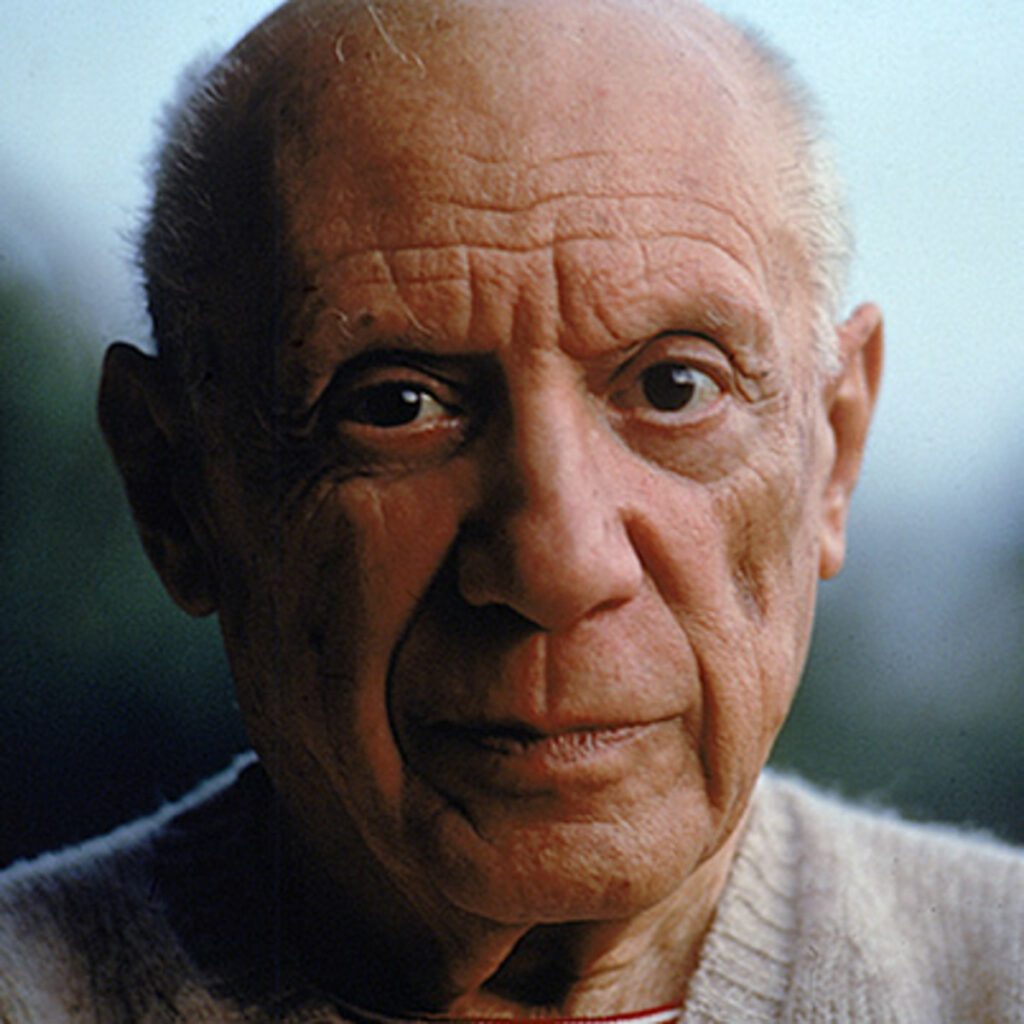
Creator

Creator – Picasso

The Creator can be described as someone who specializes in shaping the experiences of a target audience. A Creator will always draw upon their own personal experiences, memories, or imagination when it comes to creating new products and services as this intersection is where they feel most inspired. ​There are many different types of creators. They simply all have one thing in common – their passion and joy for creating something out of nothing. The Creator archetype is a fundamental force in the universe. They are found within an individual who has the will to try and bring something new into existence, whether that be directly utilizing an external medium or not. They are like lightning because they have the power to strike down ideas without warning and create things from whole cloth with just one flash of passion, no matter how ridiculous it may seem on its surface.

The Creator’s core desire is to create something of enduring value. And they fear having a mediocre vision or execution.

In branding, the Creator archetype is best for:

  • Art / Design
  • Technology
  • Marketing

Creator brands tend to have loyal followers because they often inspire their customers to be better creatives themselves.

Famous brands that use the Creator archetype:

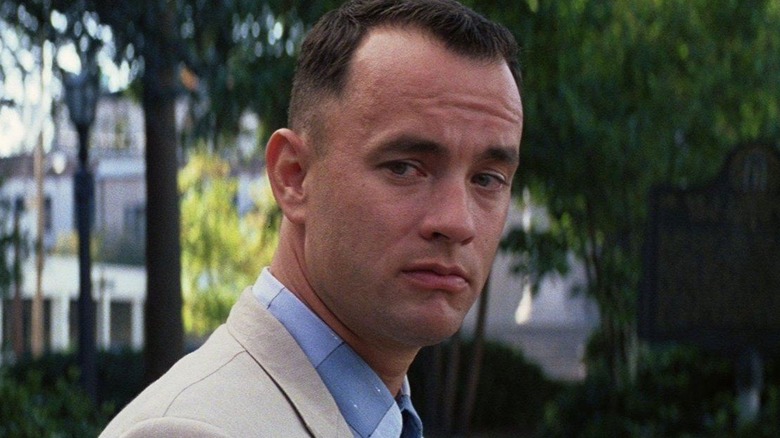
Innocent

Innocent – Forest Gump

The Innocent is a personality type who is optimistic about life. They believe that life is meant to be fun and that there is no reason to be down in the dumps all the time. They see life for what it is, a beautiful journey that is filled with beautiful experiences. They are very expressive and like to have fun. They love to laugh and make others laugh. If an Innocent walks into a room, you can expect laughter to follow.

In branding, the Innocent archetype is best for:

  • Beauty
  • Skin Care
  • Fresh food

Famous brands that use the Innocent archetype:

Aveeno and Dove are both skincare products that promote natural ingredients and simplicity. They also adopt a simplistic persona that represents women more naturally.

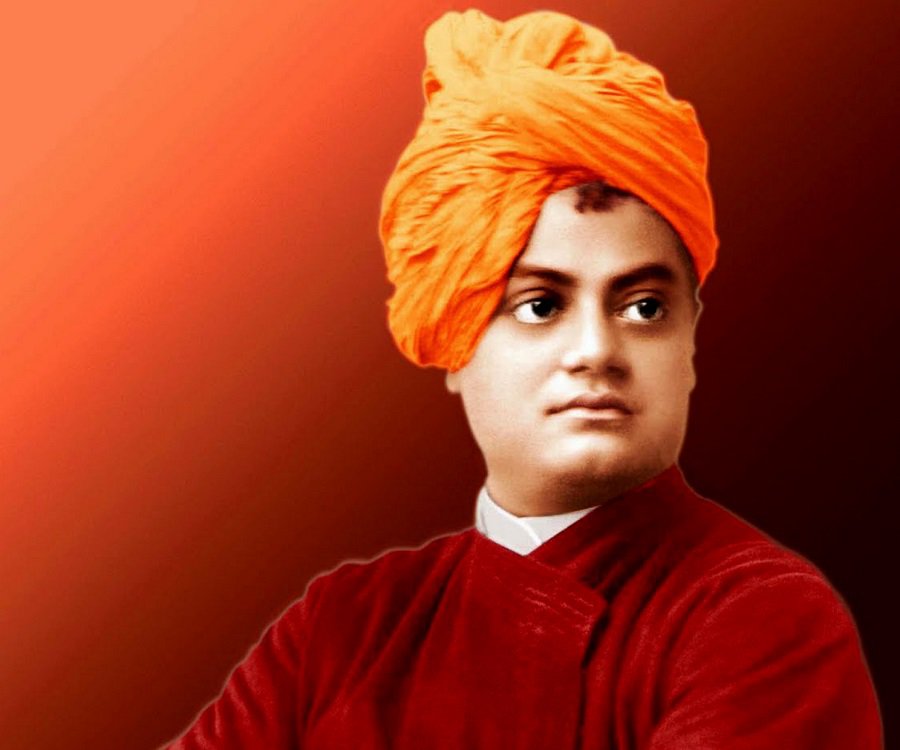
Sage

Sage – Swami Vivekanand

The people known as the Sage are an elite group of philosophers or intellectuals who study esoteric topics of the universe and the human mind. The Sage is enthralled by the mysteries of the universe. They search for the meaning of life through teachings and ideas that are thousands of years old. They seek to find answers to the meaning of life and the role of the human being in the world.

The Sage’s core desire is the discovery of truth.

And they fear ignorance and being duped or misled.

In branding, the Sage archetype is best for:

  • News Networks
  • Schools / Universities
  • Consultancies

Famous brands that use the Sage archetype:

Google has become the biggest source of knowledge but they rarely provide this knowledge rather they are the guide to their audience to find the answers that they need.

Explorer

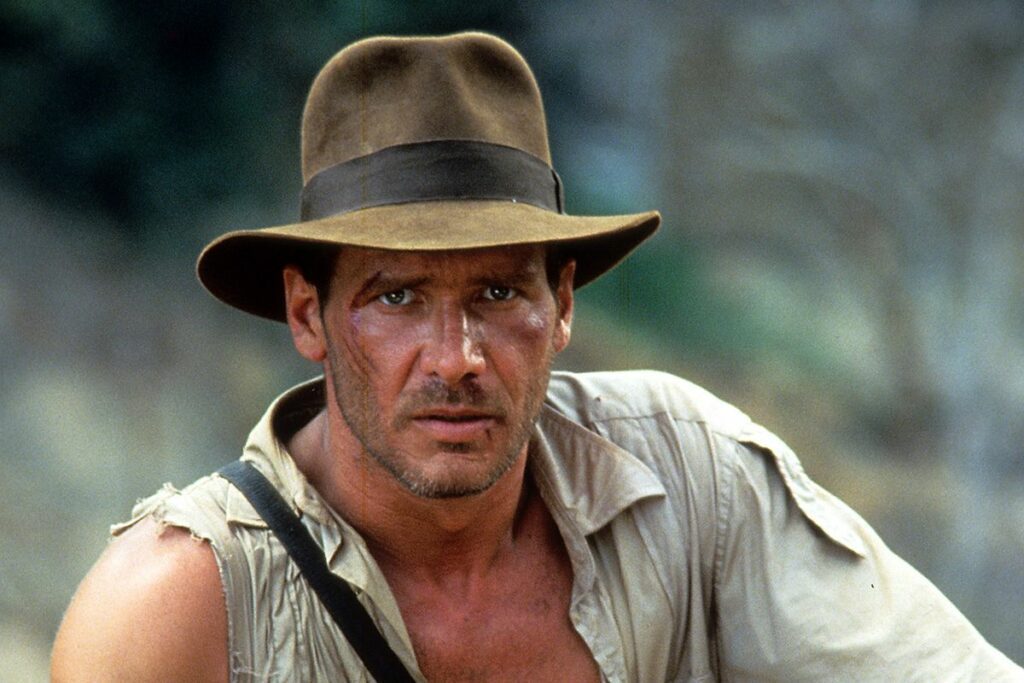
Explorer – Indiana Jones

The Explorer has this thirst for discovery and to connect with nature. Their motto is: “You only get one life. Make it count.” Explorer’s are the eternal wanderers, the big dreamers, the explorers at heart. It usually takes an event in their life to move them and inspire change. They are the ones who are happiest when they’re travelling and experiencing new things. They are the ones who take photos and write in journals. They don’t like to sit still for too long. They have a deep appreciation for everything. They don’t waste time. They appreciate travel, new experiences, the outdoors, and a new adventure. Everyone should be more like the Explorer!

Also maybe known as the seeker, adventurer, wanderer, individualist or rebel.

In branding, the Explorer archetype is best for:

  • Auto (SUV)
  • Outdoor Equipment
  • Adventure Travel

Famous brands that use the Explorer archetype:

Outlaw

creative-branding-agency-in-india - ADS
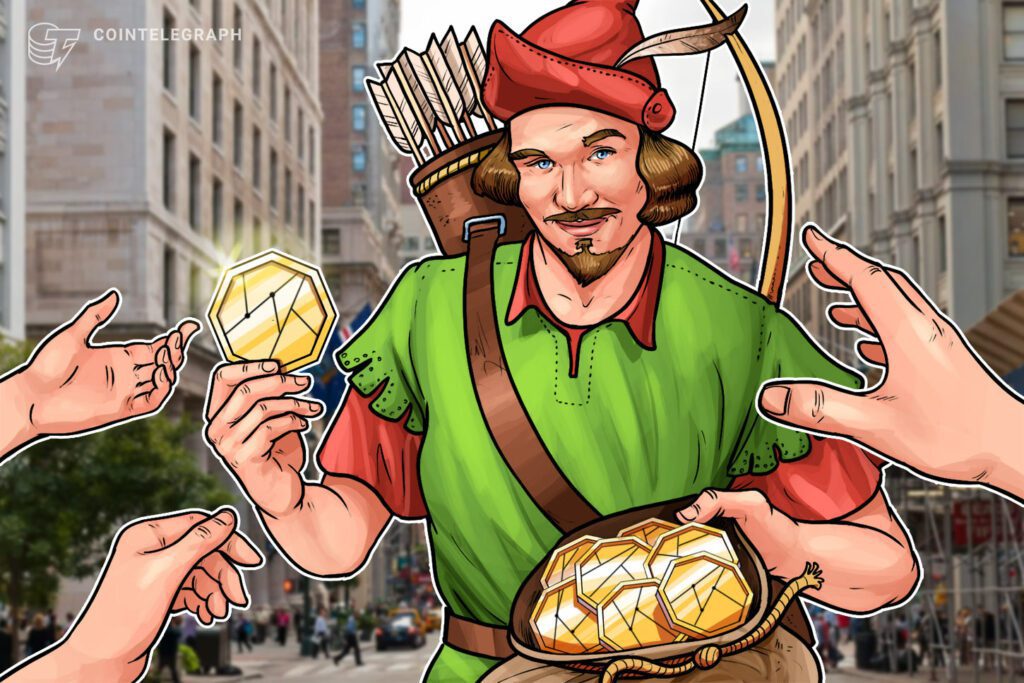
Outlaws – Robinhood

The Outlaws are an association of freedom-loving individuals who want to enjoy life without being dictated by “The Man.” Their goal is to live life to the fullest and not adhere to any rules. They enforce their own moral code and teach others to do the same. The Outlaw has something special to it. It’s not something that a lot of people like, but there are a few who will always love the Outlaw. The Outlaw is all about doing what you want, no matter what anyone says. You don’t want to limit yourself to rules, you want to make your own rules!

In branding, the Outlaw archetype is best for:

  • Auto / Moto
  • Construction
  • Body Art

Famous brands that use the Outlaw archetype:

Harley Davidson is the typical outlaw brand and probably the most focused archetypal personality that there is.

Magician

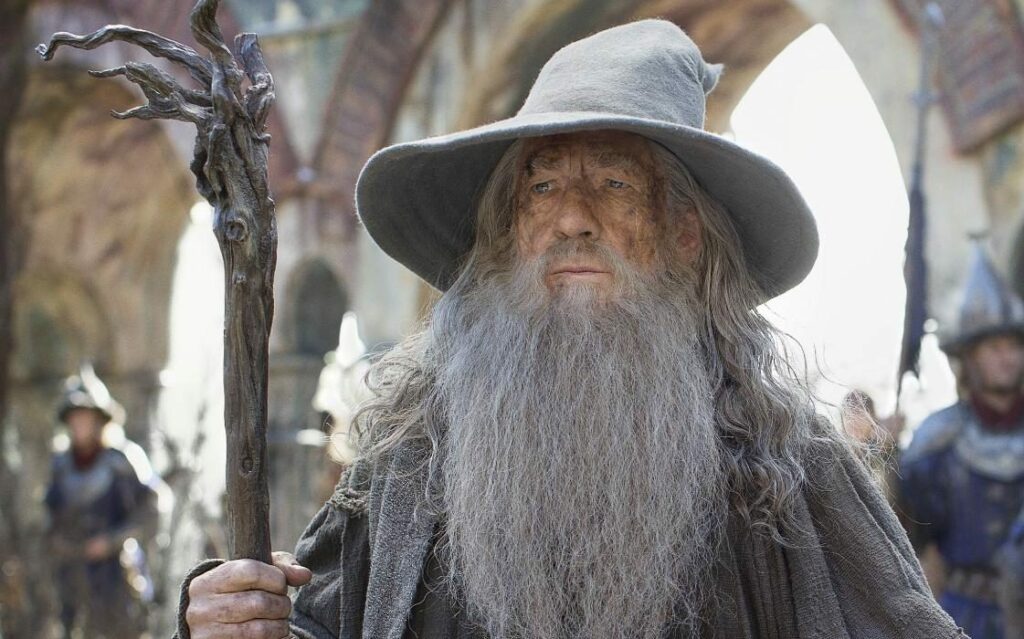
Magician – Gandalf

The Magician is a free thinker. They have a limitless imagination. Everything else is possible to them. The Magician’s have dreams that other people see as impossible. They have a motto is: Anything can happen! Magic is the technology for making dreams come true.

Magicians see the world in a different light. They don’t see the sky as the limit. They see the sky as a potential stage for a great magic performance. Magicians have learned to beat the odds. There is nothing impossible for them.

Also known as the visionary, catalyst, innovator, charismatic leader, mediator, shaman, healer, or medicine man or woman.

In branding, the Magician archetype is best for:

  • Entertainment
  • Beauty
  • Health

And any brand that delivers some kind of element of mystery or mystique.

Famous brands that use the Magician archetype:

Disney is the typical brand when it comes to all things magical.

Hero

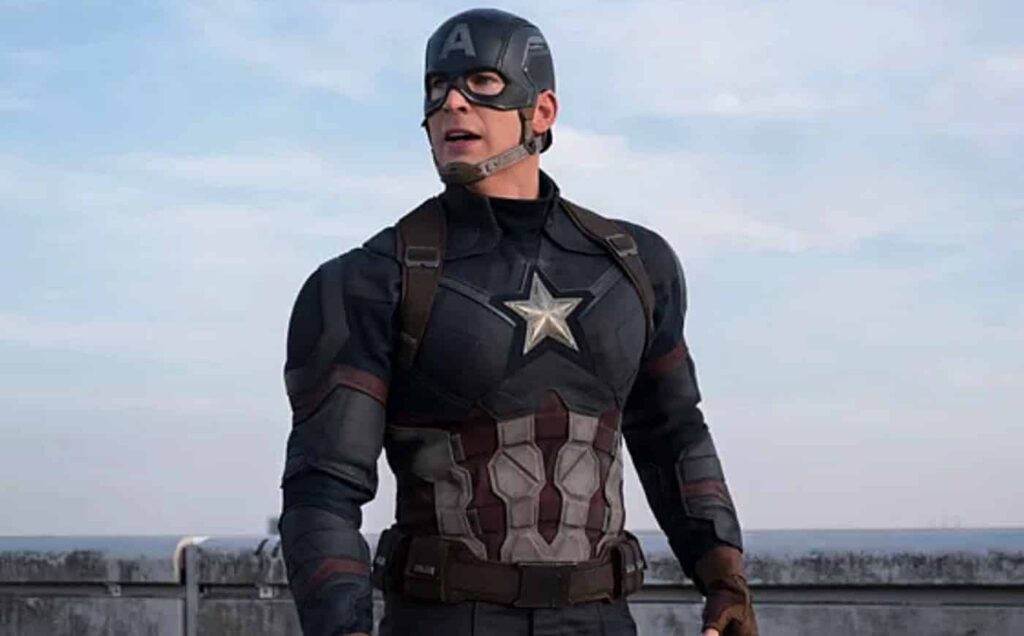
Hero – Captain America

The hero is passionate about life and makes friends with everyone he meets. When he hears of the need for a hero, he is ready to answer the call and save the world. This is where a hero is born. He uses his strength, wit, and amazing skill set to help people who have helped him along the way. The world needs heroes and the hero will not let them down.

In branding, the Hero archetype is best for:

  • Sportswear
  • Outdoor
  • Equipment

Famous brands that use the Hero archetype:

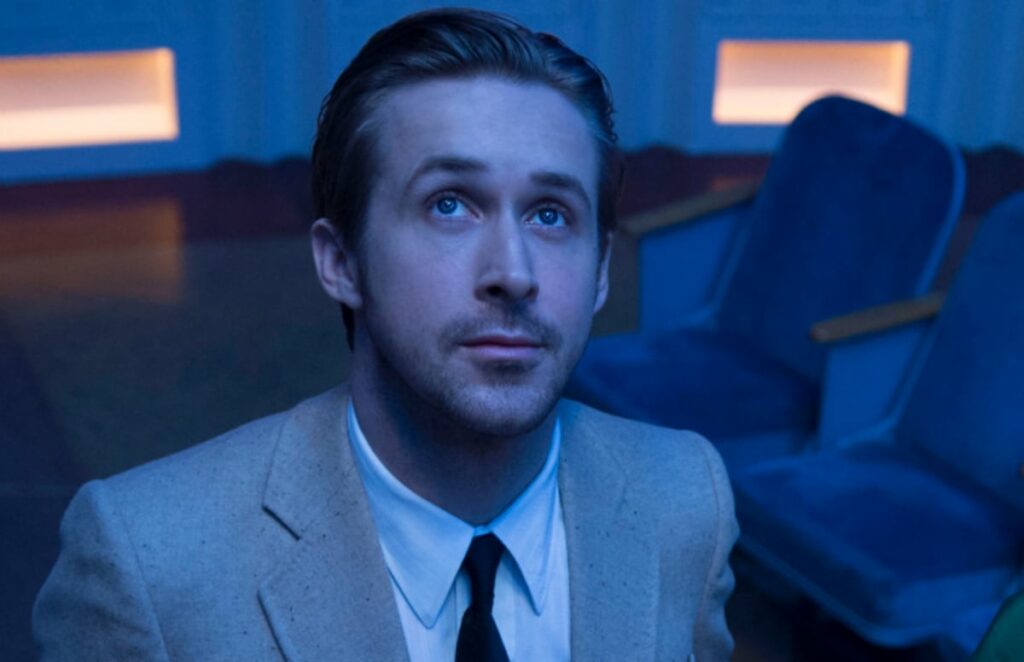
Lover

Lover –
Ryan Gosling as Sebastian in La La Land

The lover is all about being in a relationship with the people, the work, the experiences, the surroundings they love. Their motto is: “I only have eyes for you.”

They are known as partners, friends, intimates, matchmakers, enthusiasts, connoisseurs, sensualists, spouses, team builders, harmonizers. The lover’s main desire is to attain intimacy and experience sensual pleasure.

In branding, the Lover archetype is best for:

  • Cosmetics
  • Jewelry
  • Fashion

Any brand that implicitly promises beauty and sexual appeal is a Lover brand.

Famous brands that use the Lover archetype:

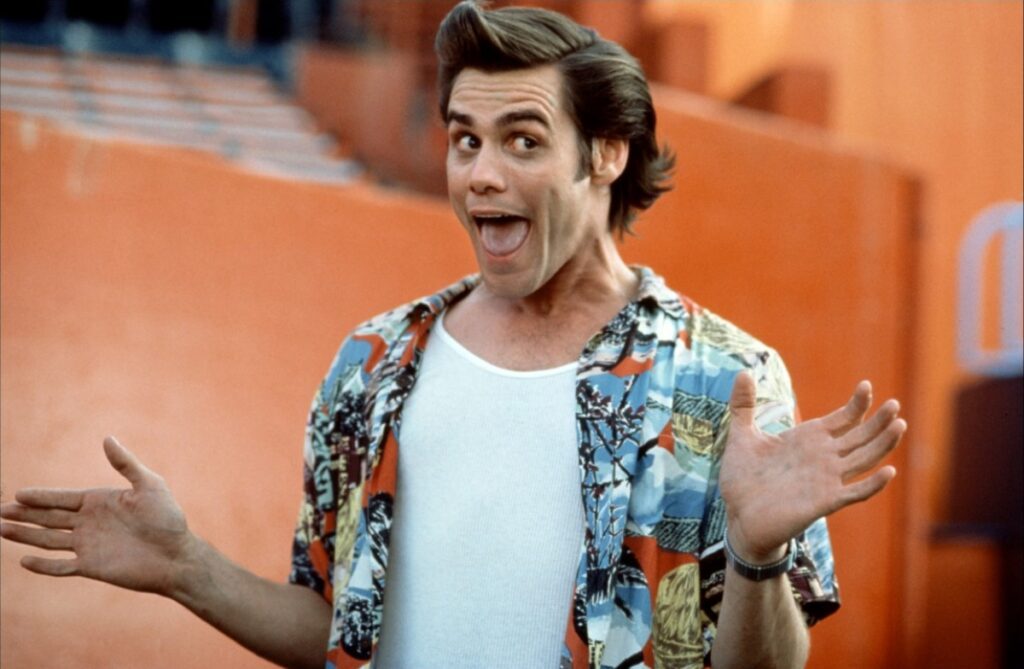
Jester

Jester – Jim Carrey in ace ventura

The main focus of the Jester is having fun and doing what makes you happy. They are known for their sense of humour in their actions and can also be a bit of a prankster. They also tend to not be restricted by social norms and don’t care what others think. They are a wildcard and you never really know what they might do.

In branding, the Jester archetype is best for:

  • Confectionery
  • Child Entertainment
  • Beer Brands

Famous brands that use the Jester archetype:

Jester and humour in general are best suited for men especially if the brands are associated in any way with having a good time.

Everyman

Everyman – steve smith in “the pursuit of happiness”

There are many virtues to being an everyman, but perhaps the most important one is the fact that they have the freedom to do whatever they want, whenever they want. They have the freedom to do what they want when they want. This includes going to the park or beach, or even wherever they feel like it. The everyman is also someone who is very approachable. They are someone you can talk to and have a conversation with.

People who are considered the Everyman are those who are normal, down to Earth, and humble. The Everyman is an average person whom others can relate to. They are not rich or famous. In contrast, the Everyman is the average Joe that is a regular person in our society.

In branding, the Everyman archetype is best for:

  • Home / Family
  • Everyday Apparel
  • Family Auto

Famous brands that use the Everyman archetype:

These brands are usually affordable when it comes to pricing and they just fill some basic needs.

What Makes Your Business Unique? Is it you or your product\service?

You might think you have a unique product, but the truth is, there is already a productservice like yours, if not then there will be soon. You have a business, you want it to succeed, but other businesses out there just like yours want to succeed. In fact, you will find that most businesses are trying to do the same things. So how to differentiate from others if not with the product? This post will try to add a different perspective so stick with it.

A Unique Selling Proposition (USP, also seen as unique selling point) is a factor that differentiates a product from its competitors (eg. lowest cost, the highest quality or the first-ever product of its kind).

The USP is often used to describe product features and functions. However, it should be centred on the customer and their needs, not on the product itself. That’s where UBT (Unique Buying Tribe) comes. UBT means a loyal customer base. A UBT is the dream of any business. A loyal customer base will buy your product no matter what and how the product behaves in the market. A UBT can help any business grow big. It is a fact that businesses that manage to create a loyal customer base will do better in the market. Any strategy to build a loyal customer base is worth exploring and analyzing.

Let’s talk about what creates a UBT –

It’s starts with you

Creating a tribe means connecting with them on some higher level, inspire them but you can’t expect to be able to motivate others and inspire them if you are not motivated and inspired yourself. And it doesn’t happen overnight. It becomes a habit, it becomes a ritual. You have to put in the time and it takes time for people to see the change. The first thing you need to do is to start recognizing the value you have inside your own head. What is it you want to do? What is it you want to give to this world? Why do you do what you do? Why do you wake up every morning? Why do you get up every morning? What is it you want to do with your life? Where do you want to be in 5 years? Where do you want to be in 10 years? How do you see yourself in 20 years?

Be honest with yourself

I am not sure that there is anything more important to a business than being honest with yourself. In fact, it is probably one of the first things you should do when you open your doors. It is all well and good to have business plans and goals that are going to make your business grow. You will need to look at your market and ask yourself “is this actually what I want to do or doing it for just to fit in”? You will need to see if there is a gap that you can fill or something that you can offer that is different. But it is also important to be truly honest with yourself. You will find people who share the same values and are not there for just money but are part of your tribe, family, and community.

HIgher purpose

What’s your organization’s higher purpose? A higher purpose is essentially the reason why you started your business in the first place. It is the ultimate value that you provide for your customers, employees, and shareholders. A higher purpose is something that helps you stand out among your competitors. It is what brings a sense of meaning and gives your employees a reason to go to work every day without feeling like they are just a number. It is the ultimate value that helps define your vision and keeps your team focused on the future. It is also the ultimate benefit that attracts customers and builds loyalty. For example, Tesla’s higher purpose is to accelerate the advent of sustainable transport. What you see in this statement they working for the future, to sustain humanity.

Resonance

Now you have a clear vision and mission, your team has a clear vision of what you want to achieve. You’re excited and ready to go. Naturally, you start by thinking about how to build the thing, now You need to start to think about your tribe with the why. It’s a principle called resonance. It’s a word that is thrown around a lot these days, but the truth is that most people don’t really know what resonance means. It’s a concept that has been used in many different contexts, but the most relevant in the context of this article is that of Maslow’s hierarchy of needs. Maslow’s theory, as you might remember from school, says that humans need to achieve a certain level of belonging, safety, and love before they can achieve more meaningful goals, like self-actualization. You see, the problem with innovation is that it doesn’t start with a visionary, a new product, or a new business. It starts with the people who are going to use the product or service.

Who Needs Branding?

A lot of people believe that branding is something that you only need to do if you are a big company or if you want to start a big company. This is wrong and I am here to tell you why.

The landscape of businesses is changing. Big megacorporations seem to be going out of fashion as businesses are becoming more agile, nimble and flexible. Anyone can have their audience now, but what does this mean for the modern-day marketer? What does it mean for modern-day business? This blog will attempt to answer this very question. Who needs branding? Let’s see a simple definition of a brand, A brand is a promise. A promise that a product or service will deliver a certain experience. It’s a promise that you will feel a certain way when you consume the product or service. And when you make a promise to a customer, you had better live up to it. The truth is that every single company no matter if it’s big or small needs to define their brand and so they need branding.

Let’s see if you need branding. Ask yourself these questions and if the answers are several yeses then you need branding.

Do you want to build community?

We believe that every community is built on a foundation of shared values. If you want to build a successful community, you need to make it easy for people to connect. The branding, positioning and marketing help establish a set of common goals and beliefs among your customers, employees, or other key stakeholders.

Do you have a different perspective?

You know that you have a voice, there’s a certain way that you think and philosophies with the world that can be infused into your business. While you may not think that’s important, it can help your business stand out. This is where branding comes. You position yourself for the people who will listen and connect with your thoughts.

Do you want to stand out?

Branding is the tool that helps you define your identity that leads to creating content about your product and company, that makes stand out. Branding/positioning is the process of creating a name, symbol, slogan and/or design for a product or company that are memorable and unique. The goal of branding is to develop a name that customers can identify positively with their products.

Do you have a mission or vision, a purpose greater than money?

Here’s our mission at ADS to create value for our clients, if we couldn’t create the value they were seeking for we won’t take any money. And you can see that we have a greater purpose than money.

Do you have that kind of purpose, mission or vision and if yes. Then branding helps you convey it to your community.

Do your staff need direction

If you are a business owner, it is important you lead your staff in the right direction. A business owner is responsible for providing direction to their team as well as lay down specific guidelines that are relevant and essential to the success of your business. It’s important that you ensure your team understands your vision and is clear about the direction you want the business to take. For you to do this, you need to set up effective communication channels, clarity of thoughts. All these can be done with branding.

We hope this blog has helped you understand the concept of branding. Now that you have a better understanding of the importance of branding, we hope you can use this information to improve your brand and take it to the next level. If you’re interested in seeing what we can do for you, contact us today. We look forward to hearing from you soon!

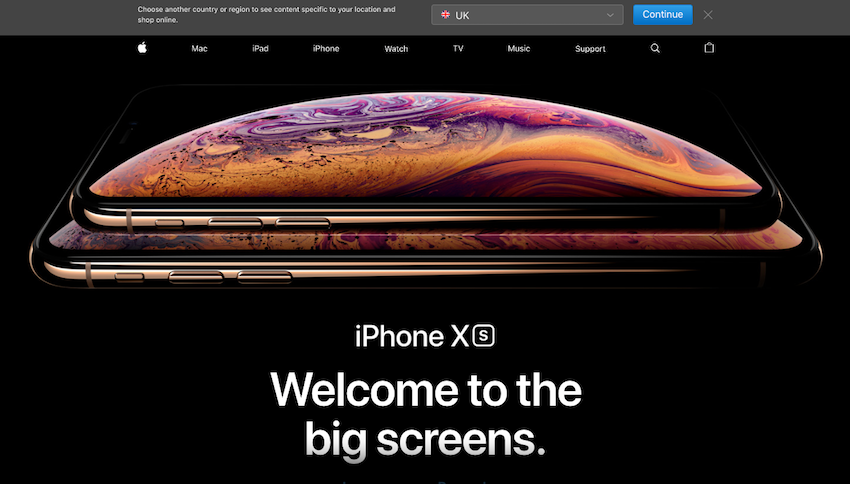
Apple’s branding secret

Apple is one of the most successful companies in terms of branding and marketing. Their products are designed to be great and they are priced to make the customer feel good about buying one. Most of us using Apple products are not technical people, we are just used to get it done by using them and we are the biggest fan of their products. We use their products without getting into the details of their technology. Apple uses a unique branding strategy. In this blog, we will understand the real reason why we are their fan for the rest of our life.

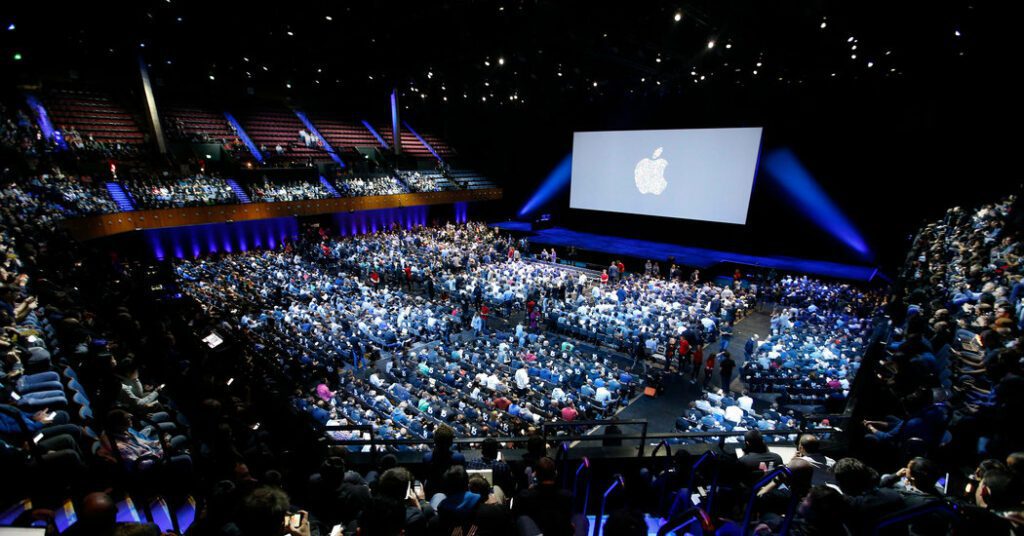
Apple’s product launching

Emotional bonding

The best brands create emotional bonding with the customer. Brands that create emotional bonding with the customer have a range of strategies to achieve this, but they all have one thing in common: they focus on the benefits of the product. The benefit of a product is what the buyer is getting from making the purchase. It’s why they should buy your product instead of a competitor’s. Apple, for example, has created an emotional relationship with their customers by not just focusing on the product but also by creating a community that connects with its products. Apple has done this by creating a cult-like following for their products, with customers willing to wait in line for hours just to get a glimpse of the newest product. Customers get excited over upcoming Apple product launches, and they share their excitement with their friends. Apple has built a community of loyalists, one that shares their love of the brand on social media. Apple has built a community that promotes and supports its products.

Premium feel

Apple is known for its USP as being a great brand. With every release of any of their product, they manage to entice the customers towards the product. Apple knows the power that it has and how effectively it can influence the customers. Apple is a popular brand for a lot of different reasons. One is that it can often be seen as an elite brand, which is so good that it is expensive. Apple is also popular for its offerings that are different from most of the other companies but still has the same premium feel. This goes back to the idea of being an elite brand. Apple is one of the few brands that can charge as much as they do for their products.

Consistent throughout the years

Apple iPhone has been around for more than a decade and still looks the same, while Samsung Galaxy or other smartphones from different manufacturers change their design every year. Why is that? How is it possible? The answer is user experience.

Apple is a company that has created a lot of buzz around what it does. It’s not just about creating great products, it’s about creating a great experience around its products and that is why Apple is so successful. Its products are not always the best but they do have a great user experience. In fact, Apple not changing their design much for a long time until they really need to. This creates consistency in the eyes of customers. The easy way to understand this is that they are trying to convey the message that Apple is a quality driven company where they don’t need to change much because they are already giving you the best product possible. And also this help apple to maintained their visual and user experience consistency throughout devices for long a time.

Conclusion

We hope you enjoyed our post about Apple’s brand. Apple has established their brand by making it so that its products are sleek and functional, and customers are willing to pay the price for them. To do this, Apple had to work with the best designers in the world. We hope that this blog post helped you learn more about Apple’s brand and how they can set themselves apart from the competition. If you have any questions or concerns about this post, please contact us anytime at _. Thank you for reading, we are always excited when one of our posts can provide useful information on a topic like this!

How to Give your Business a Lasting Impression

There are thousands of businesses out there trying to make a name for themselves. It’s not easy to stand out in the crowd. If you want your business to be remembered, you need to make sure you are giving it a lasting impression. There’s a big difference between businesses who are trying to stand out and those who aren’t. It’s the businesses that try to stand out that get remembered. Each of us likes to support the people we like. It’s natural. The businesses that do this are the ones that are remembered. These businesses are the ones that are most likely to succeed.

Importance of brand building

Well-known brands can be a very powerful asset to your business. Building a brand is the one thing that every business strives to do. Whether you are an established multi-million dollar business or a multi-billion dollar business, your brand is the one thing that binds all of your products and services together. It is the one consistent and lasting impression that you want to leave on your customers. As many as 80% of consumers would be willing to pay more for a brand name, and in fact customers will pay up to 23% more for a product or service from a familiar brand. However, building a brand takes time and money, and not everything turns out how we want it to. It is important to know how to build a brand. This blog breaks down the stages involved in building a brand and lists tips on how to make sure that you achieve your goals.

How to build a brand

If you truly want to build a successful brand, you must go above and beyond the norm. You need to stand out from the competition and get your brand noticed. With the average person seeing around 6,000 brand impressions per day, you need to make a lasting impression. Here’s how to help you give your brand the lasting impression it needs to succeed.

Unique selling point

A Unique Selling Point (USP) is a marketing concept, primarily used in sales and advertising, that differentiates a product from others in the same category. It’s the reason a potential customer chooses your product over another. It’s what makes your business stand out from the crowd. But what a lot of people don’t know is that you can have a unique selling point in anything you do and even if you don’t sell products. For example, you can have a unique selling point for your blog or for your social media. Brand yourself in the way, you differentiate your business. It’s what separates you from the competition and gives customers a reason to choose you over another business. It’s important that your business has a strong and lasting impression on your customers.

Find your tribe

The marketing world is filled with buzzwords, and the latest one is “tribe.” In fact, the word “tribe” has been so overused that it’s lost a lot of meaning. But the word “tribe” is a good one. It has a very specific meaning. It means a group of people that you’re connected to. You have some sort of relationship with them.

One of the biggest mistakes entrepreneurs make is focusing on the wrong target audience… The one thing that all entrepreneurs need to remember is that you can’t please everyone. Rather than aiming to please everyone, aim to please your tribe. If you can find your tribe, the people who believe in what you do, who get you and what you stand for, and who share your vision, then you will dominate. For example create a 100 member fan group, who are going to certainly buy your product no matter what.

Pinpoint your mission

A mission statement is a short, simple statement that describes the purpose of your company. They are important because they will help you define your target market and will help you to stay focused. They are important because they will help you define your target market and will help you to stay focused. In order to create a strong mission statement, you must first know who your target market is. Think about your current customers and try to visualize a broad range of people who would be interested in your product. Then, narrow it down to a single person. This one person will be your target market. Once you have this person in mind, create a mission statement that will narrow your focus and help you to better understand the purpose behind your product.

Choose a design scheme

It’s easy to underestimate the power of design in business. After all, it’s just about making things pretty, right? Wrong. Design is much more than that. It’s about how the customer perceives your business and how they react to your product. It’s about the first impression, and the lasting impression. It’s about how you can show the value of your business to your customers and make them want to continue buying from you. And that’s where design comes in. Design has an important role in business. It can make or break the success of your business. It can increase sales and increase your customer base. If you have a website, it’s an essential factor in converting potential customers. Your website’s design can either bring in or drive away customers. It’s important to choose a design scheme that represents your brand correctly and makes potential customers want to continue learning about your business.

Design plays an important role on visual identity. It’s the first thing your customer are going to see, So you would want to make as consistent as possible so they can recognize you easily. For this go for a branding agency to make visual and brand strategy for long term.

Think like a customer

Smart business owners know that they have to walk in the shoes of their customers and see things from their perspective. But many companies tend to lose focus of that. Customers don’t want to hear about how your company has been around for X years. They don’t care about how many awards you’ve won. All that matters to them is whether your product or service will make their lives better. If you can’t prove that, you’re just wasting their time. So how can you make sure your business truly understands the needs of its customers?

So engage with customer as much as possible and see if there is any possibilities of improvement, upgrade or any pain point that can be solved.

Conclusion

So, how do you create a lasting impression? The best way to leave a lasting impression is to connect with people in a way that is meaningful. If you want to make a lasting impression, you have to make sure that your business is doing something that matters. The best way to do that is to do what you love. If you do what you love, you will create a lasting impression. The key is to make sure that you are doing something that matters, and that you are doing it well.